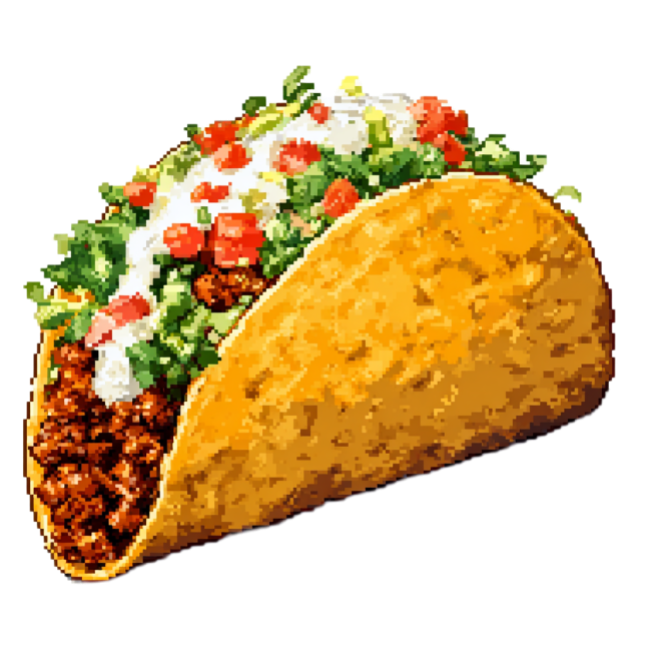
Pixel art of Mexican food

Cuisine Guide

Mexican Food

Far beyond the burrito — a guide to Mexico's regional cooking, from the smoky depth of mole to the citrus snap of ceviche.

Mexican food predates Mexico. The corn-bean-squash trio at its heart — the milpa — was being cooked in Mesoamerica four thousand years before the Spanish arrived. Tortillas, tamales, mole, atole, chocolate, vanilla: all indigenous. The Spanish brought pork, beef, dairy, wheat, and the wheel; the cuisine that emerged from that collision is now one of the most varied in the world.

The country breaks into culinary regions sharply. Oaxaca is mole country — seven of them, each a different color and depth, some made with chocolate, some with herbs, some with the smoky chili-and-fruit combinations that define the cuisine. Yucatán runs on bitter orange, achiote, and slow pit-cooking. The north is wheat tortilla and grilled-meat country, closer in spirit to Texas BBQ. Mexico City is everything at once — tacos al pastor on every corner, fine-dining tasting menus winning Best in Latin America, and a thousand street stalls between them.

UNESCO put traditional Mexican cuisine on its Intangible Cultural Heritage list in 2010. This guide is the surface — the dishes most people will recognize, plus a few that hint at how deep it goes.

12 Iconic Mexican Dishes

Track every one in your Nomrade food passport.

Pixel art of Tacos al Pastor

Tacos al Pastor

Mexico City's spit-roasted pork

A Lebanese-Mexican fusion. In the early 20th century, Lebanese immigrants brought shawarma — meat on a vertical spit — to Puebla. Mexican cooks swapped the lamb for marinated pork, the spit for a trompo, and added a pineapple at the top of the cone whose juice runs down and caramelizes the surface. The shaved meat is dropped into a small corn tortilla with chopped onion, cilantro, a slice of grilled pineapple, and salsa. Eaten standing up, on the street, ideally after midnight.

Pixel art of Mole Poblano

Mole Poblano

Puebla's complex sauce

A sauce of more than 20 ingredients — multiple kinds of dried chiles (ancho, mulato, pasilla, chipotle), nuts and seeds (almonds, peanuts, sesame), stale bread, plantain, raisins, anise, cinnamon, cloves, tomato, onion, garlic, and Mexican chocolate — all toasted, ground, simmered, and reduced over hours into a deep, glossy, brick-brown sauce. Served over turkey or chicken with rice. Complex bordering on architectural; supposedly invented by nuns in 16th-century Puebla.

Pixel art of Pozole

Pozole

Hominy stew

A pre-Hispanic stew of dried corn kernels (hominy) softened in lime water until they blossom open like flowers, simmered with pork or chicken in a broth flavored with garlic and bay leaf. Served in three colors depending on region: blanco (clear broth), verde (with pumpkin seeds and tomatillo), and rojo (with dried red chiles). Diners build their own bowl with shredded cabbage or lettuce, radish, oregano, lime, and toasted chile flakes. Eaten on Mexican Independence Day and most Sunday family lunches.

Pixel art of Tamales

Tamales

Steamed corn dough parcels

Masa beaten with lard until light, spread on a soaked corn husk or banana leaf, filled with anything — shredded chicken in mole, pork in salsa verde, raja peppers and cheese, sweet pineapple — wrapped, stacked, and steamed. Pre-Hispanic in origin and still made en masse for Christmas, when families gather to make a few hundred at a time in a tradition called a tamalada. Eaten for breakfast with hot chocolate or atole.

Pixel art of Cochinita Pibil

Cochinita Pibil

Yucatán pit-roasted pork

Pork shoulder marinated overnight in achiote paste (made from annatto seeds) and bitter orange juice, wrapped in banana leaves, and traditionally cooked in an underground stone pit (pib) for hours until it shreds at a touch. The flavor is earthy, citrusy, and brick-red. Served on warm corn tortillas with pickled red onion (which goes neon pink from contact with the achiote) and a habanero salsa called xnipec — "dog's nose" in Mayan, named for the sweat it brings to your face.

Pixel art of Birria

Birria

Spicy stewed meat

Originally from Jalisco, traditionally goat, now usually beef chuck or short rib slow-stewed in a sauce of guajillo, ancho, and pasilla chiles with cumin, oregano, and bay leaf until the meat falls apart. Served as a soup with the broth (consomé) on the side, or — in the recently TikTok-famous version — used as a taco filling. The taco is dipped in the consomé before frying, then again before eating, the cheese melted into it. The internet did not invent birria but it did make the dipped taco unavoidable.

Pixel art of Ceviche

Ceviche

Citrus-cured raw fish

Raw white fish or shrimp "cooked" in lime juice — the acid denatures the proteins the same way heat would, turning the flesh opaque — and tossed with diced onion, tomato, cilantro, fresh chili, and avocado. Yucatán-style ceviche skews tropical with mango or pineapple. Served in a glass with tostadas or saltines for scooping. The dish is technically Peruvian in origin but Mexico's coastal versions, especially in Sinaloa, Veracruz, and the Baja peninsula, have made it their own.

Pixel art of Carnitas

Carnitas

Slow-cooked pork

Pork shoulder simmered for hours in its own fat (basically confit) with orange peel, garlic, salt, and sometimes a splash of milk or Coca-Cola for sweetness, until the outside crisps and the inside falls apart. Pulled with two forks and stuffed into corn tortillas with onion, cilantro, and a squeeze of lime. The Michoacán version is the classic — entire pigs cooked in massive copper kazo cauldrons over wood fires.

Pixel art of Enchiladas

Enchiladas

Tortillas drowned in sauce

Corn tortillas softened briefly in hot oil, dipped in a chile sauce (red, green, or mole), filled with shredded chicken, beef, or cheese, rolled, topped with more sauce, crumbled queso fresco, sliced onion, and crema. Baked or served straight from the pan. Enchiladas suizas add cream and melted cheese on top. Verdes use tomatillo and serrano. Red are usually guajillo-based. The name literally means "chili-ed."

Pixel art of Chiles en Nogada

Chiles en Nogada

Mexico in three colors

Roasted poblano peppers stuffed with picadillo — ground pork or beef cooked with apple, pear, peach, candied citron, raisins, and almonds — topped with a creamy walnut sauce (the nogada) and a generous scatter of pomegranate seeds. The colors are deliberate: green chile, white sauce, red seeds, the Mexican flag. Eaten in late summer when walnuts and pomegranates are in season, and especially around Mexican Independence Day in September. A national dish in the most literal sense.

Pixel art of Guacamole

Guacamole

Avocado, salt, lime

The right way: ripe Hass avocados mashed in a stone molcajete with sea salt, fresh lime juice, a finely chopped white onion, serrano or jalapeño, and a handful of cilantro. That's it. The avocado should still have texture — chunks, not paste. Any version with mayonnaise, sour cream, or yogurt is a step away from the original. The dip is pre-Hispanic — the Aztecs called it ahuacamolli, from ahuacatl (avocado) and molli (sauce). "Guacamole" is a direct phonetic carryover.

Pixel art of Elote

Elote

Mexican street corn

Whole ears of corn grilled or boiled, slathered in a layer of mayonnaise or Mexican crema, rolled in crumbled cotija cheese, dusted with chile powder, and finished with a squeeze of lime. Served on a stick from eloteros — corn-cart vendors — across Mexico. The off-the-cob version, with corn kernels cut off and built into a cup with the same toppings, is called esquites. Sweet, salty, creamy, smoky, and tangy in one bite.

How Mexican Eat

The taco is a vessel, not a dish. Filled with anything from grilled cactus paddles (nopales) to slow-roasted goat (birria), wrapped in a fresh corn tortilla pressed minutes ago. The tortilla is the foundation of the cuisine — masa harina, water, salt, pressed and griddled. A Mexican kitchen with no fresh tortillas is a Mexican kitchen with a problem.

Salsa is taken seriously. Most home kitchens make at least two — a red and a green — fresh, daily, in a stone molcajete. Salsa verde is tomatillo-based, bright and tart. Salsa roja can be tomato or chile-based, smoked or raw. Pico de gallo is a fresh salsa, not a cooked one. Each chile (jalapeño, serrano, habanero, ancho, pasilla, guajillo, chipotle, mulato) brings a different heat and a different flavor.

Day of the Dead, Christmas, Independence Day, weddings — Mexican holidays are marked by specific dishes. Tamales appear at Christmas. Pozole at Independence Day. Pan de muerto and mole at Día de los Muertos. Chiles en nogada — green poblano, white walnut sauce, red pomegranate seeds — appear in late summer to mirror the flag.

Track Your Mexican Food Journey

Nomrade turns every meal into a stamp in your food passport. Snap a photo of the tacos al pastor you tried last week, the mole poblano on the menu tonight, the dish your friend keeps recommending — and Nomrade marks each iconic Mexican dish off your list, unlocking badges as you go. It's a calorie counter, recipe saver, and food journal in one — built for people who think eating well means eating widely.