A researched ordering guide, not a restaurant review. These dishes are familiar favorites in their home communities; “non-basic” is a nudge to widen your order, not a claim that we discovered them. Preparations vary by region, family and kitchen.
Laing: greens that absolutely did not come to be a salad
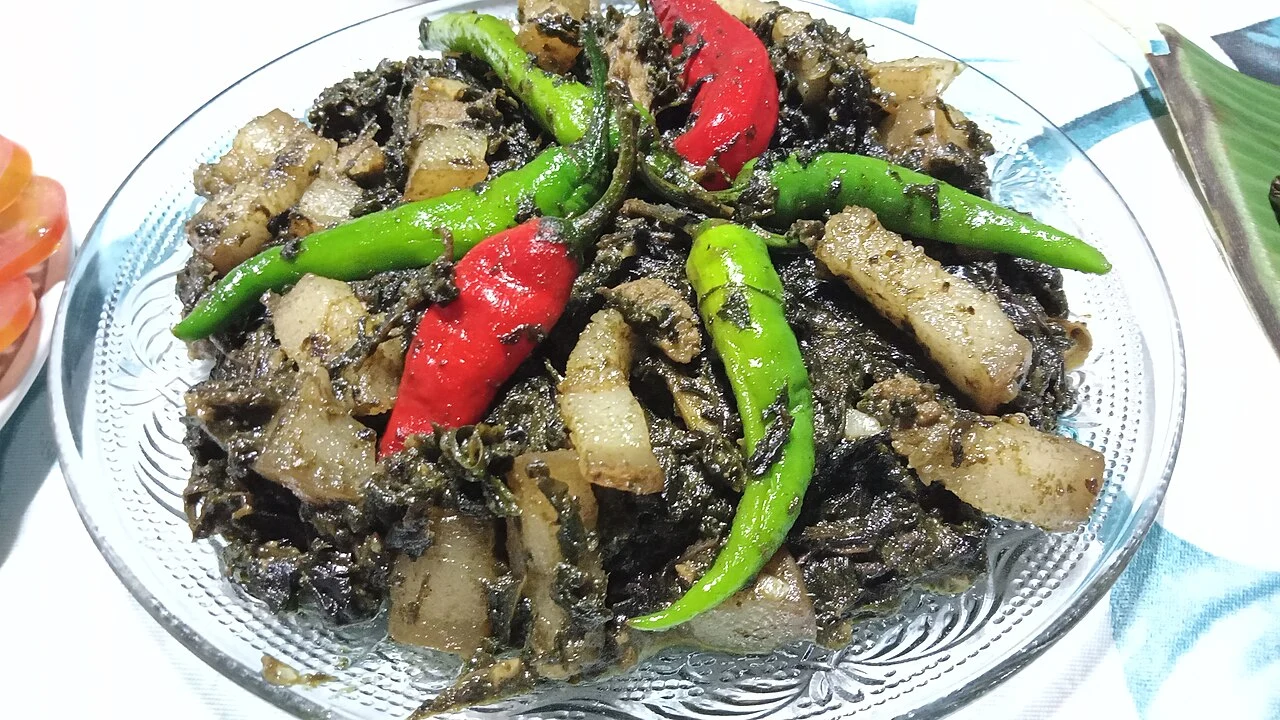
Bicol’s coconut-and-chili combination gives taro leaves a rich, deeply savory setting. Laing can look understated on a plate; the coconut sauce makes sure it is anything but. Preparations differ, including shredded-leaf versions and wrapped preparations associated with pinangat. This is a good order when you want a vegetable-led dish that still feels like the center of dinner.
Order it like this: Ask for laing with steamed rice and check the chili level. If you are sharing, pair it with a grilled dish so you get a contrast to the coconut richness.
Good to know: Green does not mean vegetarian. Pork, dried fish, shrimp or shrimp paste may be included. Ask explicitly for a plant-based preparation if needed.
La Paz batchoy: your noodle-soup rotation needs this
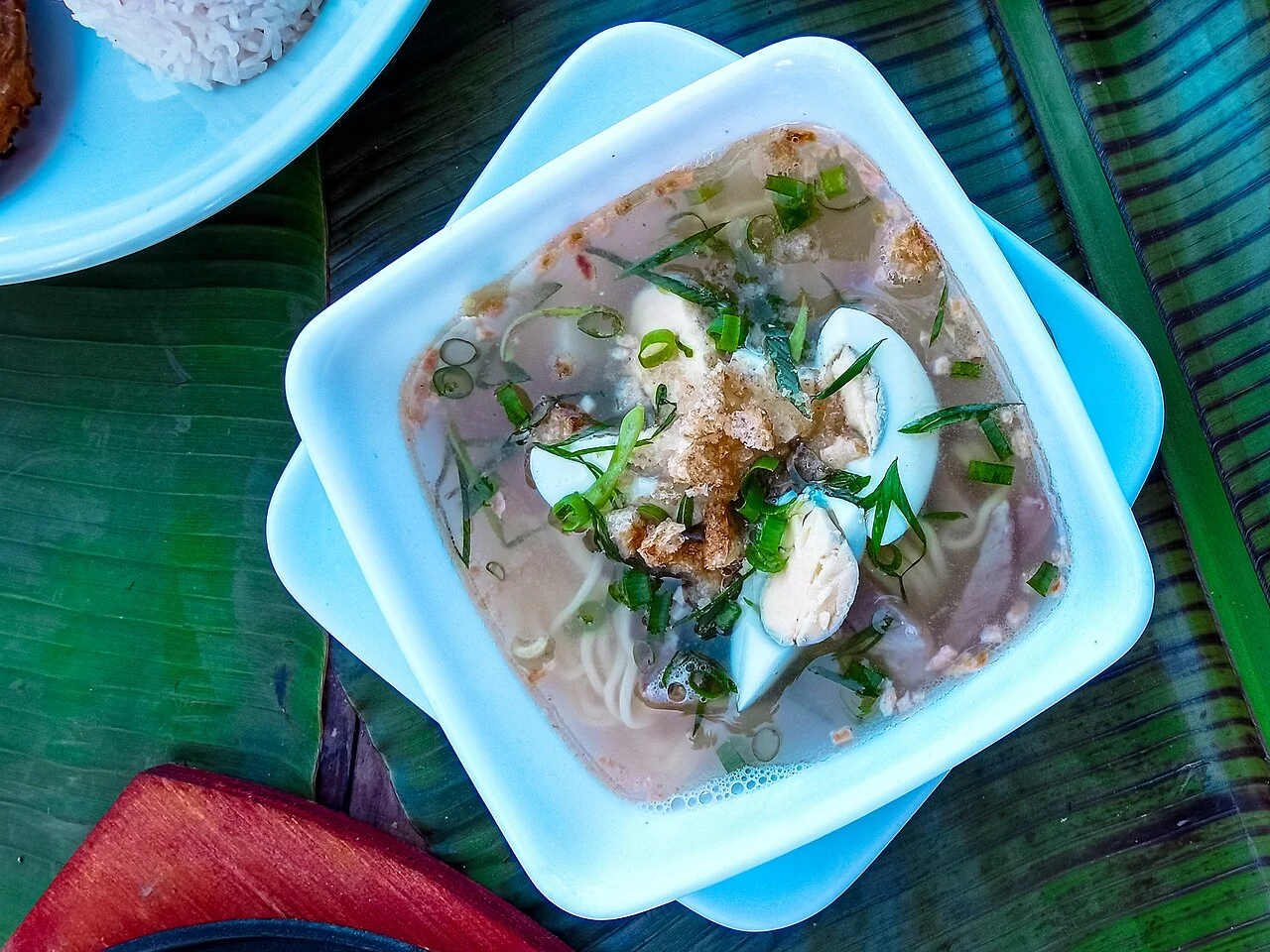
Associated with La Paz in Iloilo City, batchoy layers egg noodles, a rich meat broth, pork and crunchy chicharon. Organ meats and egg can be part of the bowl, depending on the shop. It is a particularly satisfying direction if you already love a substantial noodle soup and want to explore another tradition without needing a glossary for every spoonful.
Order it like this: Ask specifically for La Paz batchoy. Check which meats and toppings come with it, and whether an egg is included. Eat while the chicharon still gives you a little crunch.
Good to know: This is a meat-based soup, often with pork offal, and some preparations include shrimp paste. If egg is offered raw or undercooked, ask for it fully cooked if that is your preference.
Kansi: sour broth, serious beef energy
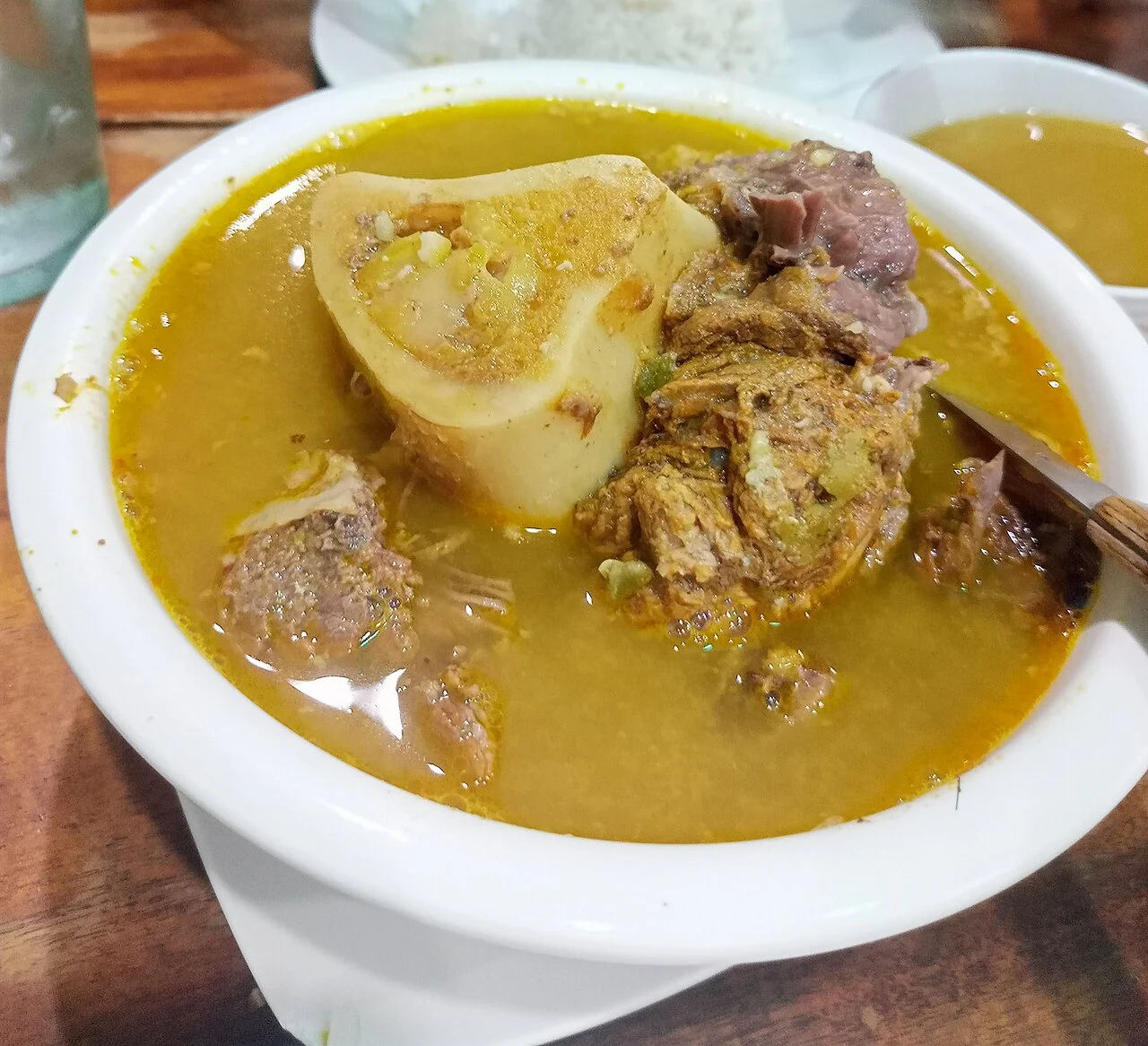
Kansi, also written cansi, is an Ilonggo beef-shank soup closely associated with Bacolod. Green jackfruit and a souring ingredient give the rich broth a brighter direction. Batwan is traditional, although cooks outside the region may use alternatives. If you love the comfort of a slow-cooked beef soup but want a sharp edge to cut through the richness, this is your next bowl.
Order it like this: Search menus for both kansi and cansi. Ask what the kitchen uses for sourness, then order rice alongside. Taste the broth before adding anything: the balance is the reason to be here.
Good to know: Contains beef and may include bone marrow. Green jackfruit in this dish is a vegetable ingredient in a meat broth, not a sign that the soup is vegetarian.
Tortang talong: eggplant gets the crispy-edge treatment
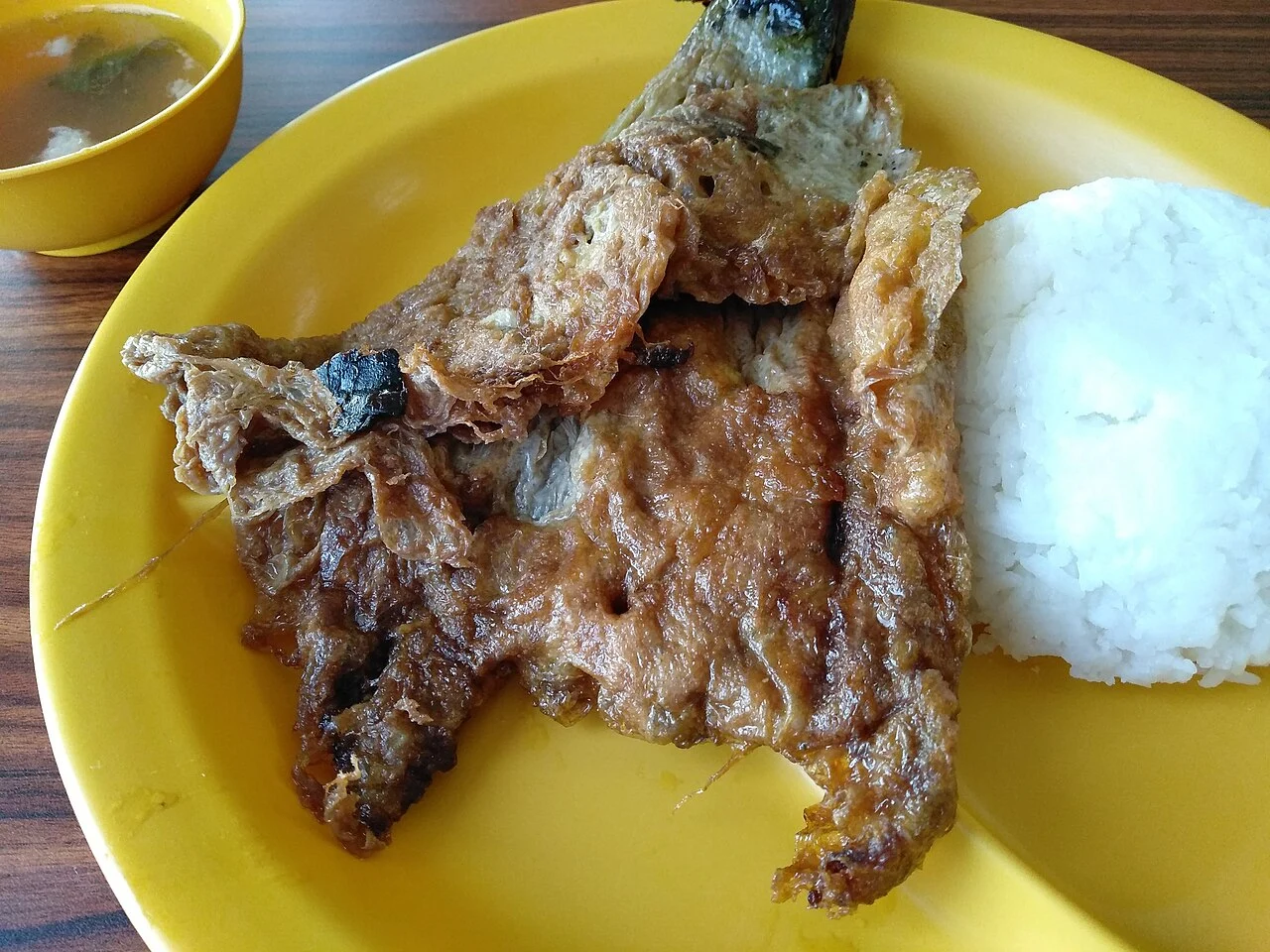
An eggplant is grilled or roasted, peeled, flattened and coated in egg before frying. The result is smoky, tender and golden around the edges, with the stem often left as a convenient handle. There is no elaborate tower or expensive garnish required. Tortang talong is everyday comfort food that deserves a place in an unfamiliar diner’s first few orders.
Order it like this: Try plain tortang talong with rice and your preferred dipping sauce. Ask whether the eggplant is grilled for a smoky flavor and whether the kitchen adds meat to its version.
Good to know: A plain egg-and-eggplant version can suit vegetarians, but it is not vegan. Some versions add minced pork or seafood, and sauces can change the dietary picture.
Pancit batil patung: the noodles brought backup soup
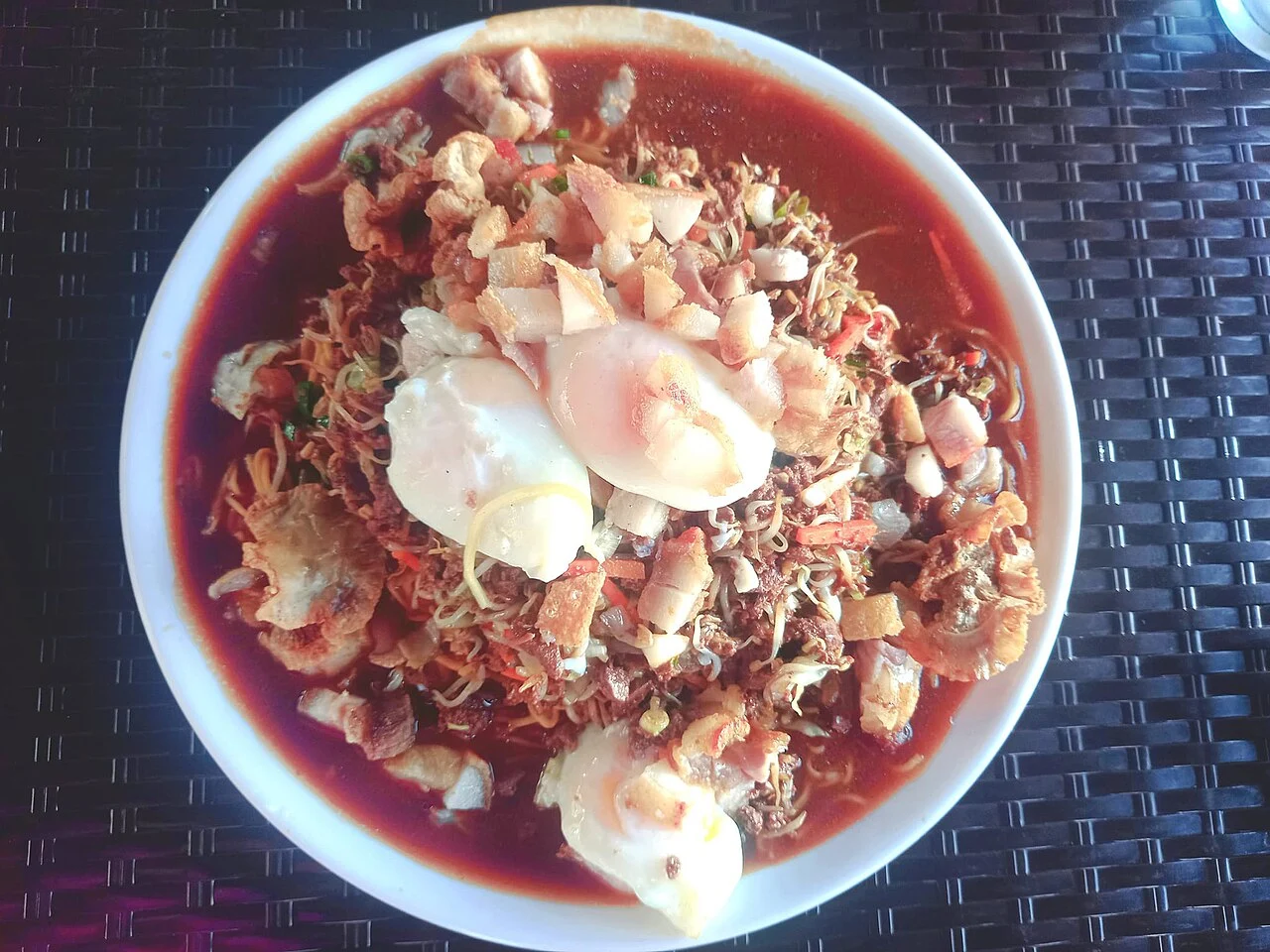
This Tuguegarao specialty arrives with more than noodles: fresh miki, meat and vegetables get substantial toppings, while an egg-enriched broth is served alongside. Carabeef is traditional; beef is a common substitution outside the region. You may see the spelling batil patong. The two-part serving is the fun of it: taste the noodles, then use a little broth to change the next bite.
Order it like this: Look for a Cagayan Valley or Tuguegarao specialist. Ask what meat is used, which egg and pork toppings are included, and whether the accompanying batil soup comes with the order.
Good to know: Typically contains meat, wheat noodles and egg; pork crackling or lechon-style toppings may appear. Do not assume a beef-topped version is pork-free.
Chicken pianggang: burnt coconut is the plot twist
This Tausug dish, also spelled pyanggang or piyanggang, gets its dark, smoky character from a burnt-coconut paste often called pamapa itum. Coconut milk and aromatics round out the chicken, with some preparations finishing it on a grill. The color is an invitation to ask about the cooking, not a reason to order something more familiar. It is an excellent doorway into Tausug food traditions.
Order it like this: Look for a Tausug or Sulu-focused kitchen and ask for chicken pianggang or piyanggang manok. Order rice to catch the coconut sauce and ask what other regional dishes the cook recommends.
Good to know: Contains chicken and coconut. Recipes and finishing methods vary; a dark sauce alone is not enough to identify the dish, so use the actual menu name.
A few good questions
What Filipino food should I try besides adobo?
Try laing for coconut-rich taro leaves, La Paz batchoy for noodle soup, kansi for sour beef broth, tortang talong for an eggplant omelet, pancit batil patung for a substantial noodle plate, or chicken pianggang for smoky coconut chicken.
Is pad thai Filipino?
No. Pad thai is Thai. Filipino noodle dishes include many forms of pancit; this guide features pancit batil patung from Tuguegarao.
Are laing and tortang talong vegetarian?
Not automatically. Laing often includes meat, seafood or shrimp paste. Plain tortang talong can be vegetarian, but some versions add pork or seafood. Ask about the full preparation and sauces.