A researched ordering guide, not a restaurant review. These dishes are familiar favorites in their home communities; “non-basic” is a nudge to widen your order, not a claim that we discovered them. Preparations vary by region, family and kitchen.
Pesarattu: your breakfast deserves crispy edges
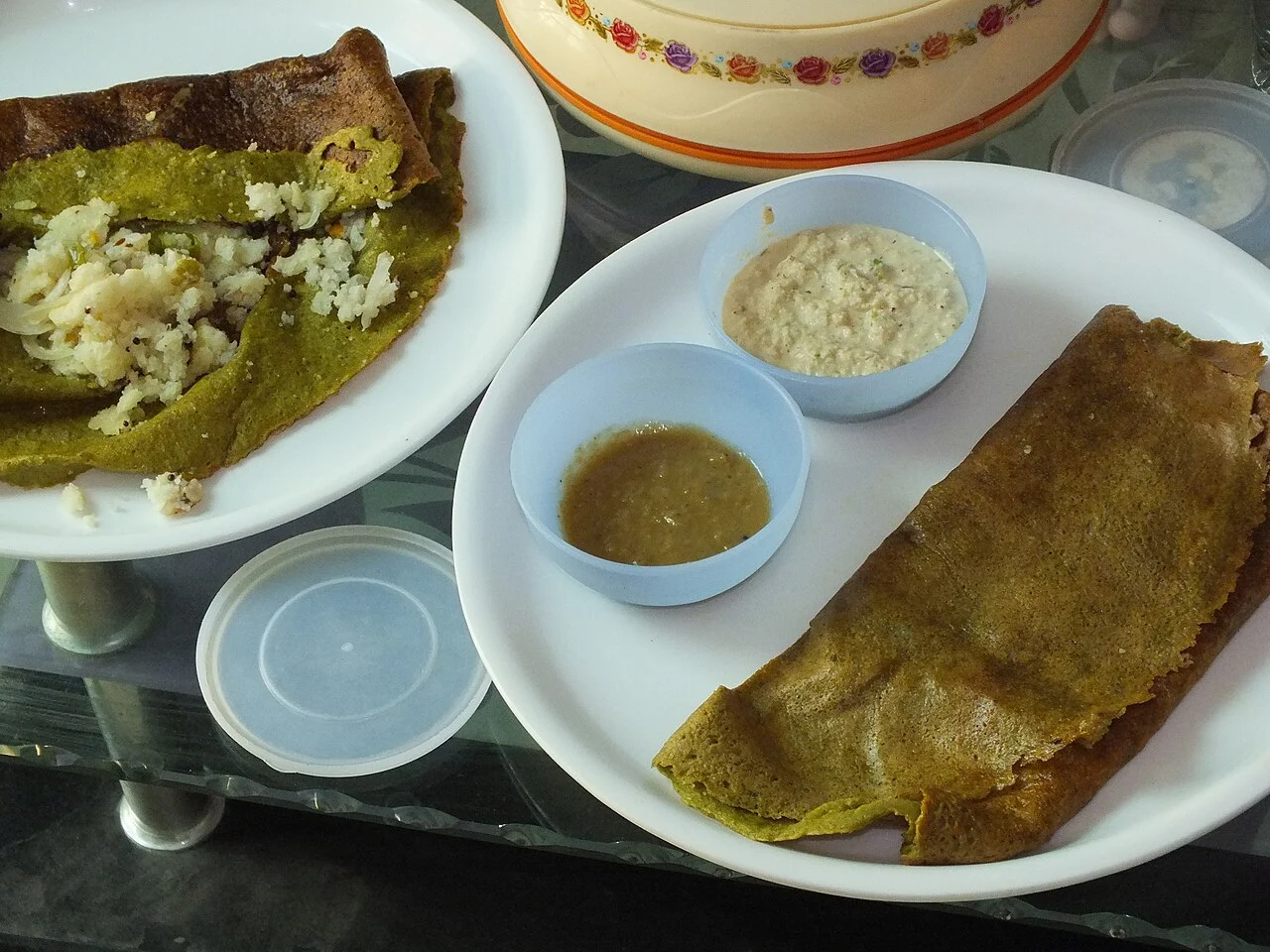
Andhra Pradesh’s green-mung-bean crepe brings ginger, cumin and a savory, earthy center. Unlike the fermented rice-and-urad batter used for many dosas, traditional pesarattu batter can go straight to the griddle after soaking and grinding. The pleasure is in the contrast: thin edges, a softer middle and a sharp chutney to wake everything up. If your Indian restaurant order starts and ends at dinner, breakfast menus are a very good place to interrupt the routine.
Order it like this: Look for pesarattu at an Andhra or Telugu restaurant. Add allam pachadi (ginger chutney); ask about upma pesarattu if you want the semolina filling.
Good to know: Usually vegetarian. Ask whether the griddle uses ghee or oil if you avoid dairy. Upma contains wheat semolina; do not assume a filled version is gluten-free.
Misal pav: crunchy, spicy, gloriously messy
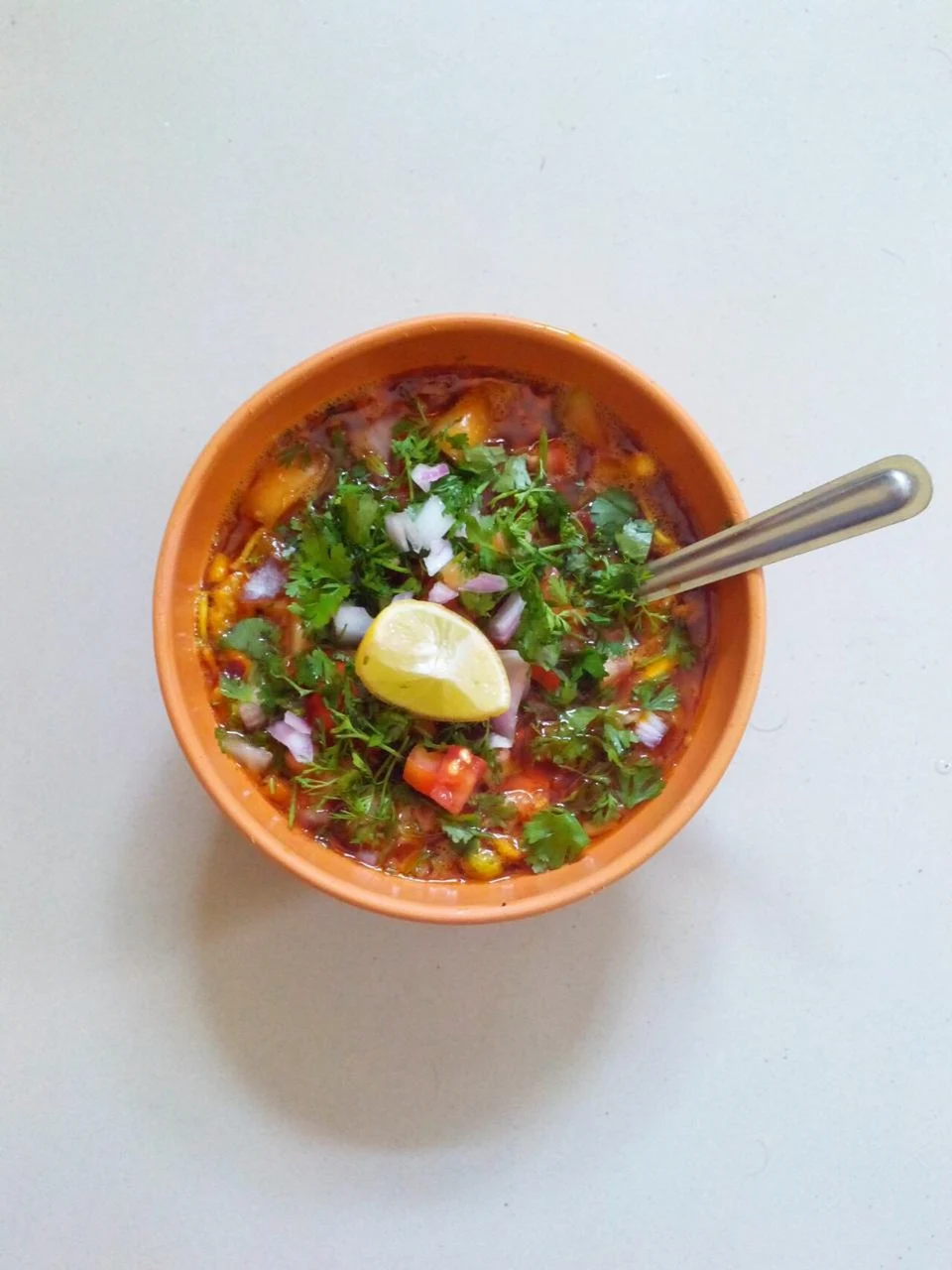
A Maharashtrian sprouts curry gets a loud finish of farsan, onion, herbs and citrus, with soft bread rolls alongside. This is a spoonful-and-tear-off-some-bread situation. The crunchy topping is part of the point, so eat it while the contrast is still there. Different kitchens have different ideas about how much heat belongs in the bowl; the name alone will not tell you what you are getting into.
Order it like this: Choose misal pav at a Maharashtrian spot. Ask how hot the tarri or gravy is and whether it can come separately. Keep extra farsan back for the final few bites.
Good to know: The curry is generally vegetarian, but yogurt toppings, buttered pav and the bread recipe can change whether the complete plate is vegan.
Undhiyu: vegetables with main-character privileges
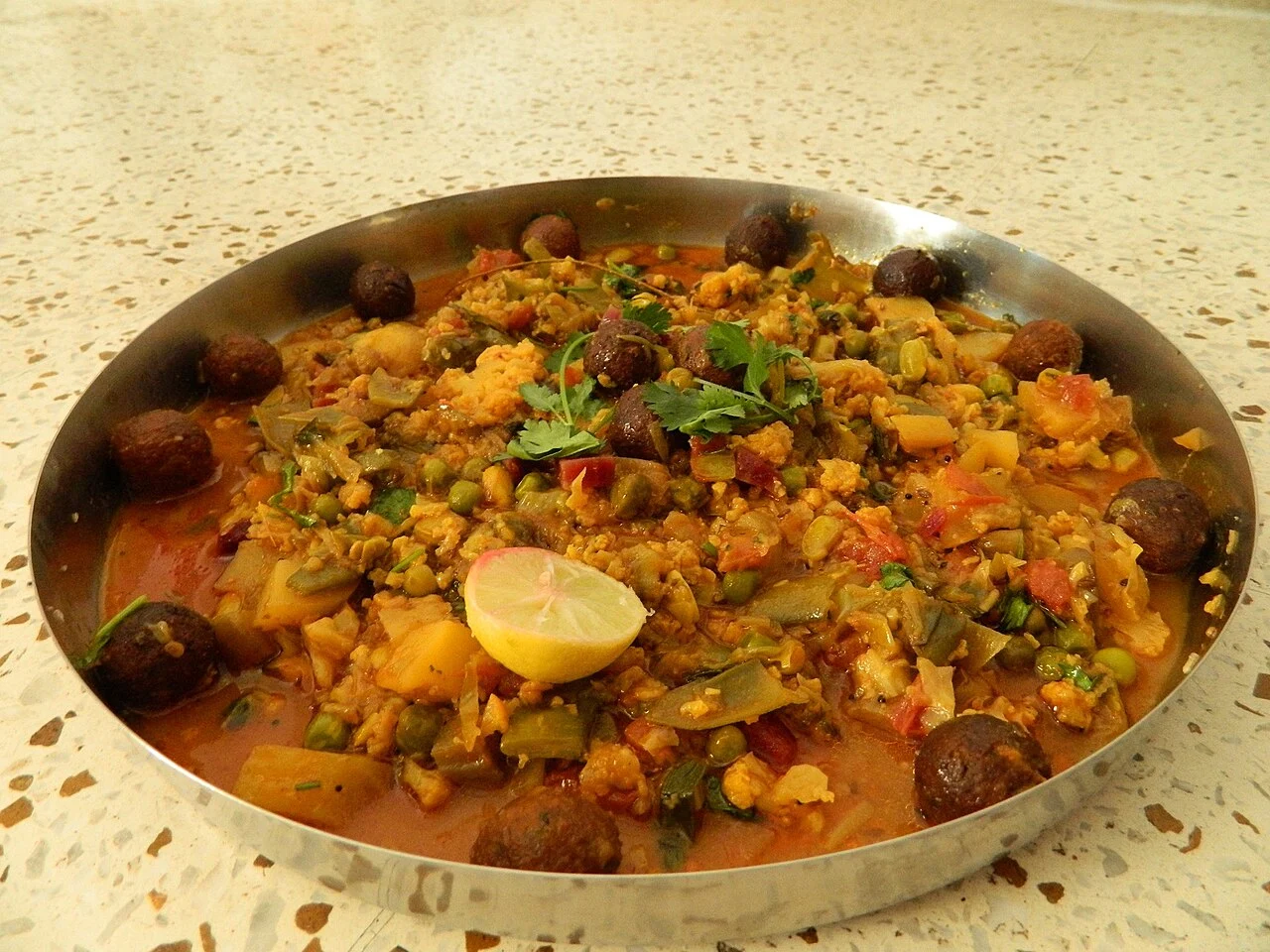
This Gujarati specialty is a whole cast of vegetables rather than one anonymous vegetable curry. Winter versions can bring together purple yam, little eggplants, beans and fenugreek muthia dumplings with a fragrant masala. The textures matter: soft roots, beans with a little bite and dumplings catching the seasoning. Surti undhiyu is one recognizable style, but ingredients and methods vary across homes and regions.
Order it like this: Look for undhiyu on a Gujarati thali menu or a seasonal special. Ask for roti or puri alongside and give the vegetables enough room on the plate to taste them individually.
Good to know: Vegetarian; often vegan, but confirm the fat and accompaniments. Muthia and asafoetida blends can contain wheat, so this is not an automatic gluten-free order.
Appam: lace edges, cloud middle
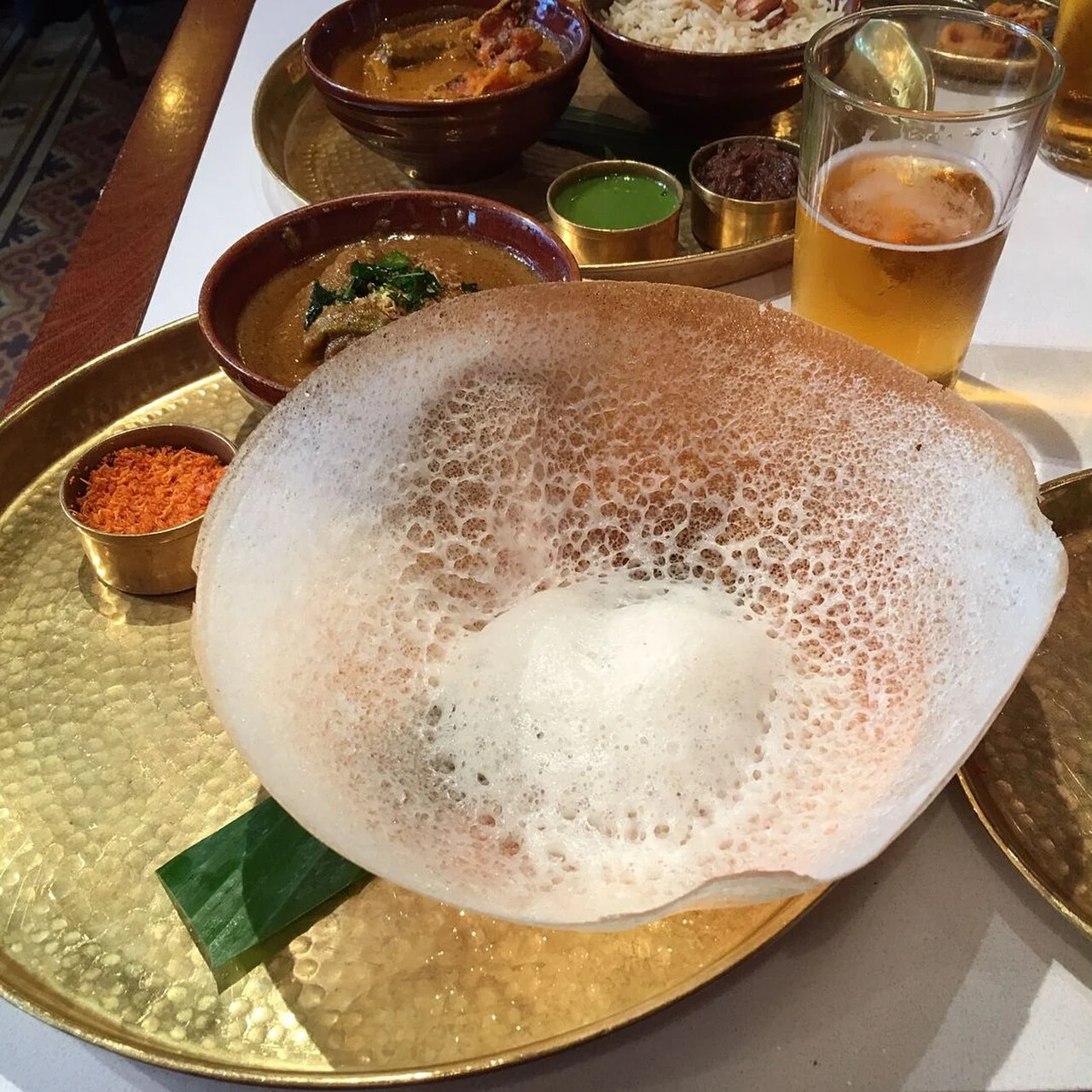
Kerala-style palappam is a bowl-shaped rice-and-coconut pancake with a spongy center and delicate, crisp rim. Tear, dip, repeat. Fermentation gives the batter character, while the curved cooking pan creates that dramatic shape. It is especially useful when you want an aromatic meal without making chili heat the entire event. Appam with stew also makes a strong case for taking your time over breakfast.
Order it like this: At a Kerala restaurant, ask for fresh appam with vegetable stew, or choose the kitchen’s chicken or other curry pairing. Start eating as the appam arrives: the edge is at its best then.
Good to know: A vegetable pairing can be vegetarian or vegan; check the batter, cooking fat and stew ingredients. The photo shows appam, not a guaranteed representation of your restaurant’s accompaniments.
Litti chokha: break the bread, abandon the routine
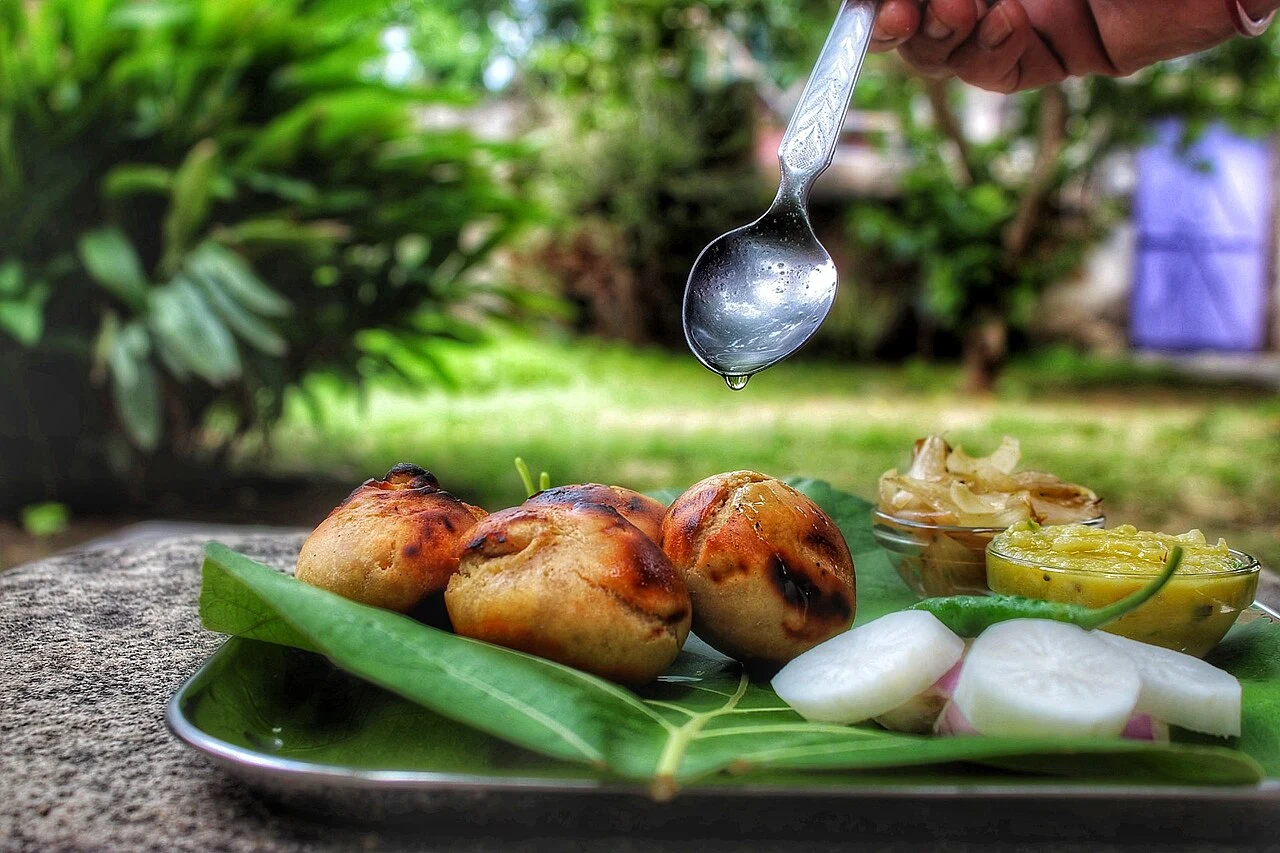
Litti are roasted or baked wheat balls filled with seasoned sattu, a roasted-chickpea flour. Chokha is the vegetable mash alongside: eggplant, tomato and potato versions each bring something different. The combination is strongly associated with Bihar and Jharkhand, and the filling’s nutty character plus the mash’s tang and smoke make this a very different proposition from naan and a creamy sauce.
Order it like this: Order litti chokha at a Bihari kitchen or regional street-food spot. Break open the litti and combine a piece with the chokha; ask for more than one mash if the kitchen offers them.
Good to know: Vegetarian. Ghee is a common finishing touch and can also appear in the dough, so ask before ordering vegan. The wheat shell contains gluten.
Chicken Chettinad: let the spice cabinet speak
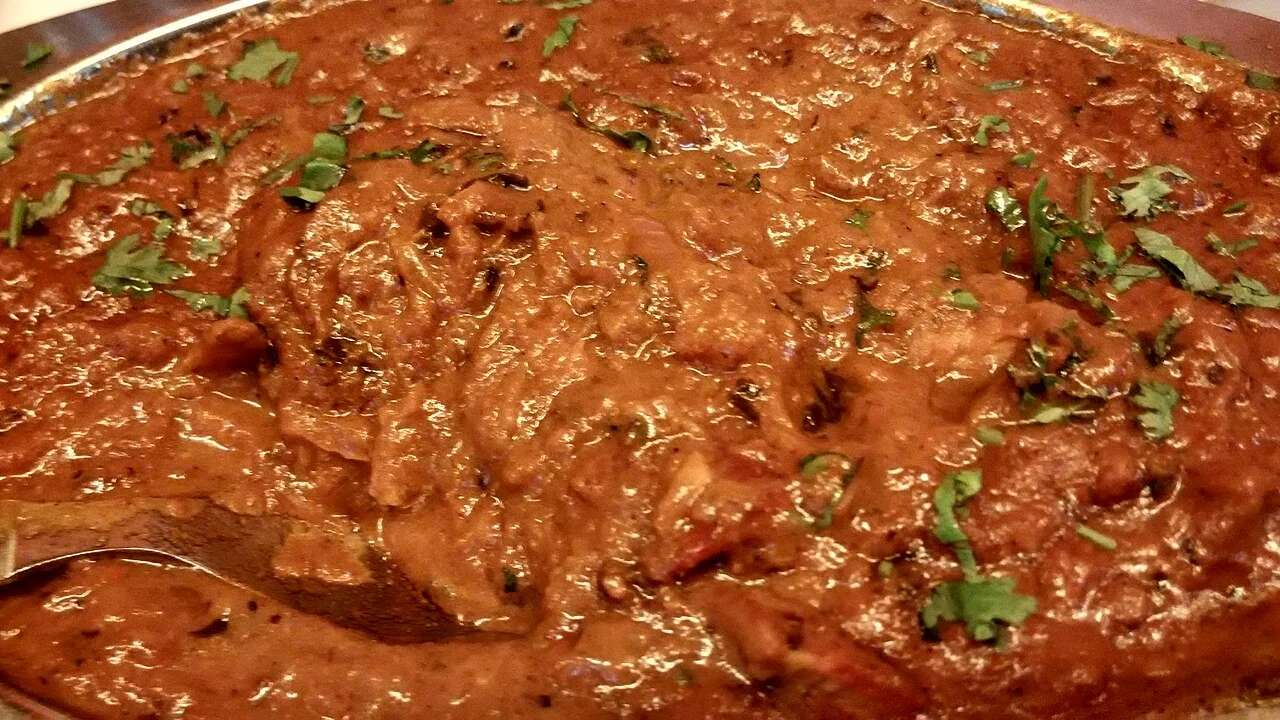
For a chicken order with a different direction, explore the aromatic cooking associated with Chettinad in Tamil Nadu. Roasted spices and coconut give many versions a layered, assertive sauce; the exact blend and the level of heat depend on the cook. There is no need to treat it like an endurance contest. Ask for the kitchen’s usual preparation, then decide what works for your palate.
Order it like this: Look for chicken Chettinad on a Tamil or Chettinad menu. Confirm whether it is a gravy or dry preparation and pair accordingly: rice for a saucy bowl, or a bread the restaurant recommends.
Good to know: Contains chicken; recipes may include coconut, nuts or other allergens. Ask about bone-in pieces and heat rather than assuming every restaurant serves the same style.
A few good questions
What should I order instead of butter chicken?
For another chicken dish, try chicken Chettinad. For something completely different, look for misal pav, pesarattu, undhiyu, appam with stew, or litti chokha. Choose a restaurant that specializes in the dish’s regional cuisine.
Are these Indian dishes all spicy?
No. Appam itself is mild, and its accompaniment determines much of the meal’s heat. Misal and chicken Chettinad can be assertive, but recipes vary. Ask the restaurant about its preparation rather than relying only on a dish name.
Which options are vegetarian?
Pesarattu, misal pav, undhiyu and litti chokha are generally vegetarian; appam with vegetable stew can be too. Check ghee, butter, yogurt, bread and accompaniments if you need a vegan meal.