A researched ordering guide, not a restaurant review. These are established dishes, not new discoveries; “non-basic” is a nudge to explore beyond your usual order. Recipes and spellings vary by region, family and kitchen.
Khao soi: noodles, but with a second texture
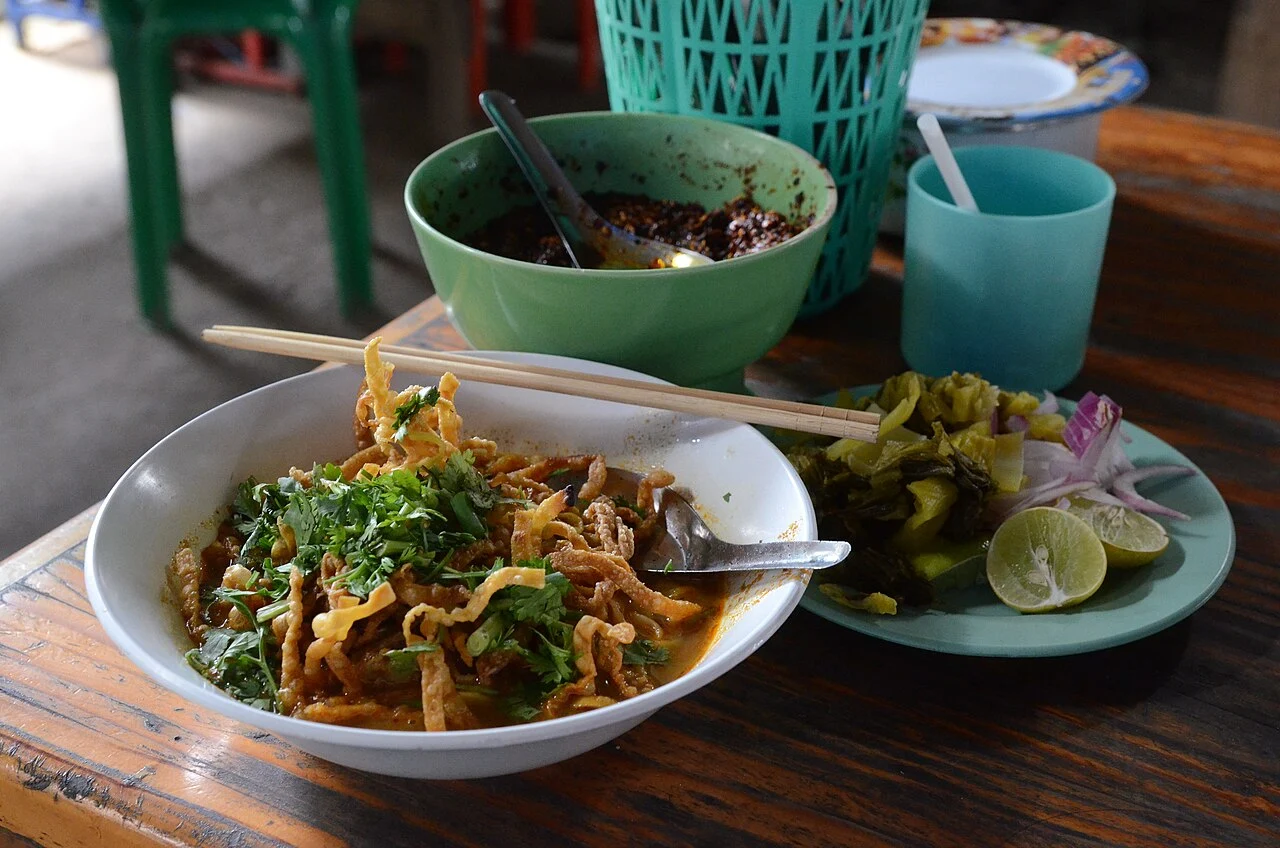
Northern Thailand’s familiar coconut-curry version of khao soi puts soft egg noodles under a tangle of crisp fried noodles. Chicken or beef, an aromatic broth and sharp condiments make the bowl feel complete without everything tasting the same. There are regional variations, so treat this as one delicious direction rather than the only definition of khao soi. If you want an easy first step beyond your usual noodle order, start here.
Order it like this: Look for khao soi at a northern Thai kitchen. Taste the broth first, then add lime, shallots and pickled greens a little at a time. Keep some crisp noodles above the broth for the last few bites.
Good to know: Typically contains wheat and egg noodles. A tofu option still needs a check on broth, curry paste and fish sauce before calling it vegetarian.
Nam prik noom: the dip is the main event
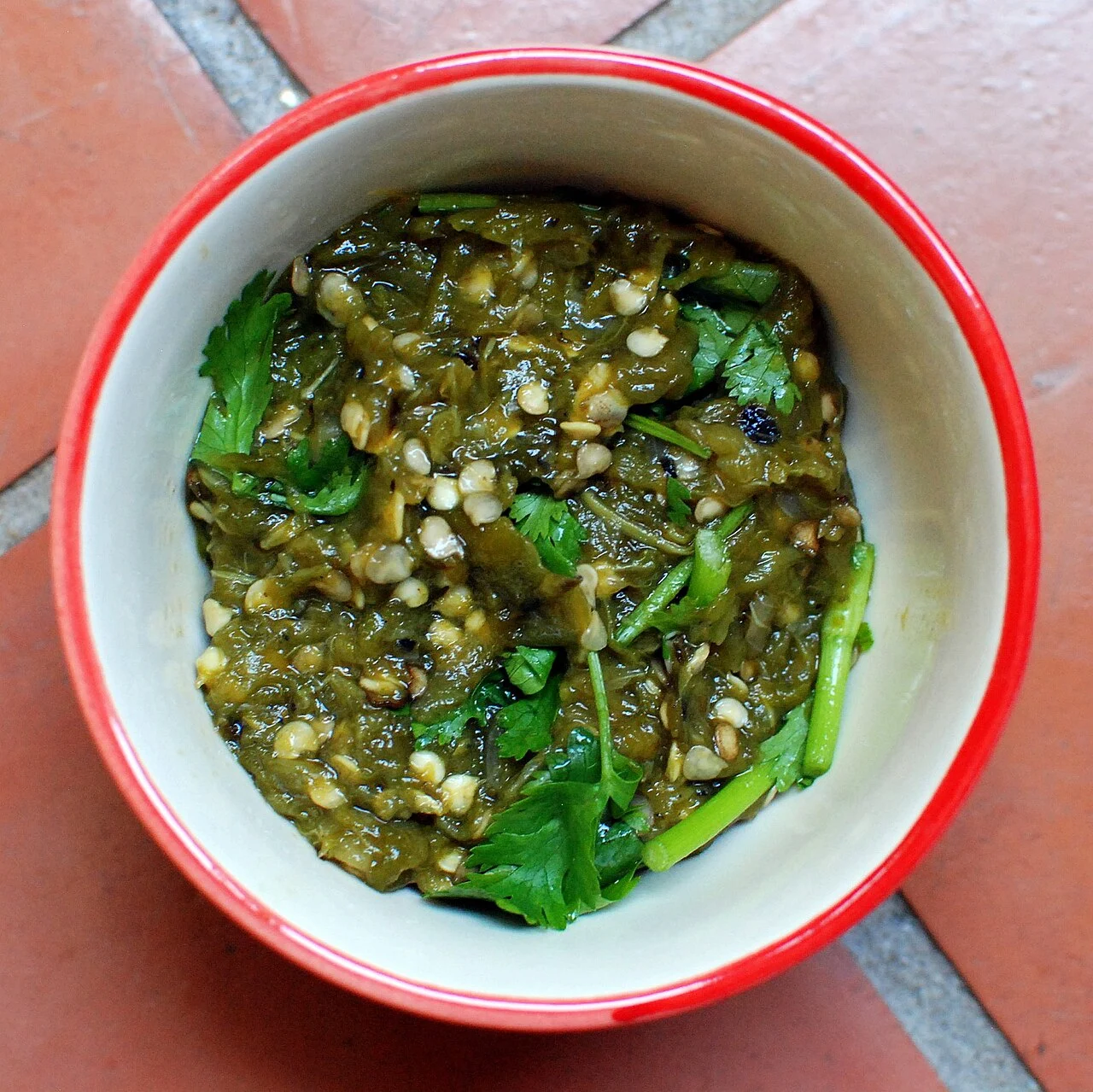
Roasted green chilies, shallots and garlic are pounded into a rough northern Thai relish with a smoky, savory character. This is a reason to order a platter of things to dip, not a little sauce to ignore beside the plate. The texture should feel rustic rather than like a perfectly smooth bottled condiment. Its heat depends on the peppers and the cook, so green does not automatically mean gentle.
Order it like this: Ask for nam prik noom with sticky rice and vegetables. Some menus include it on a northern appetizer platter with pork cracklings or sausage; check what comes with yours.
Good to know: Some versions use salt, others fish sauce or additional seasonings. Request a vegetarian preparation explicitly, and check the platter’s extras rather than judging the green dip alone.
Gaeng hung lay: pork that rewards your patience
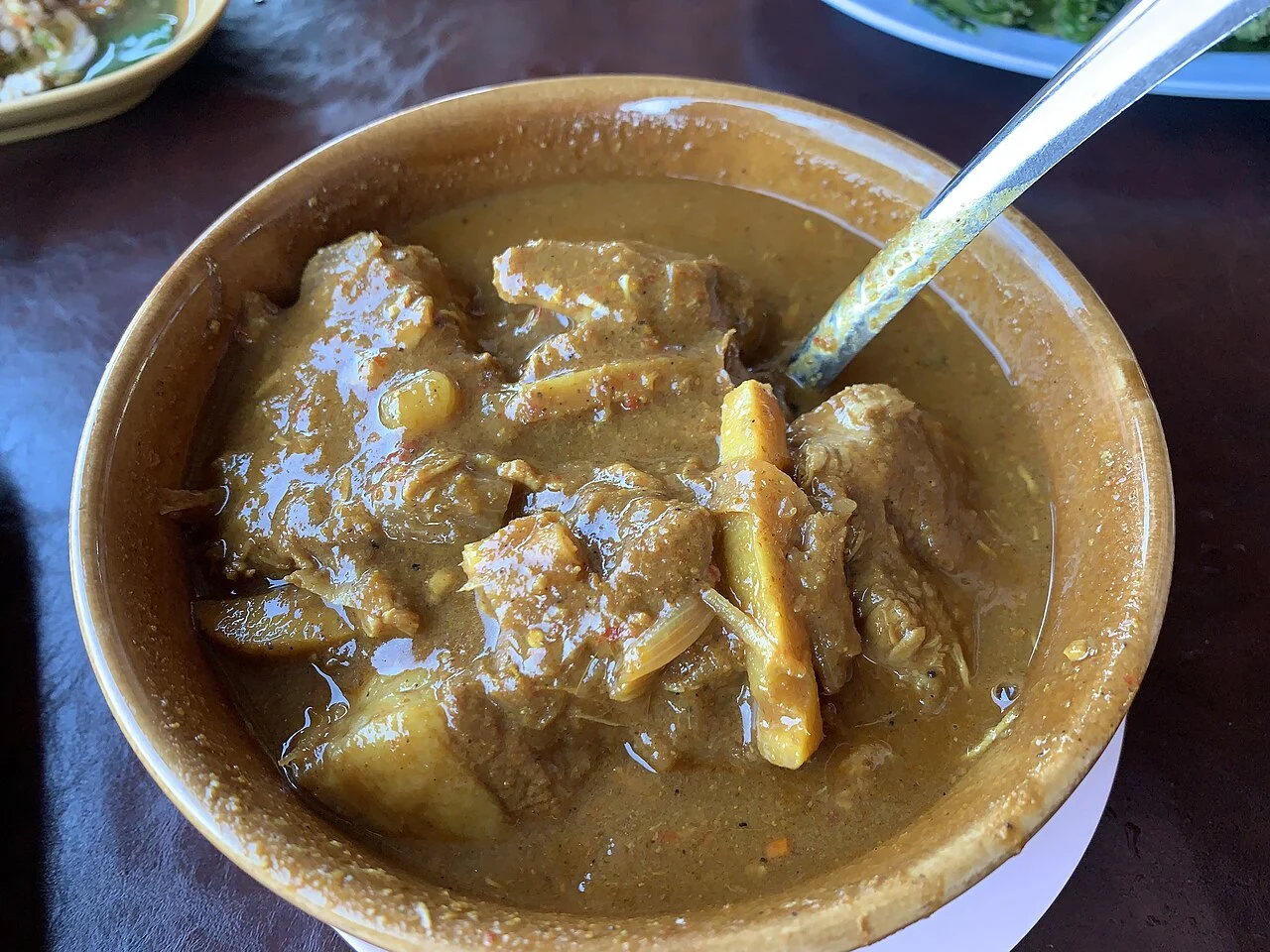
This northern Thai braise leans into slow-cooked pork, ginger, garlic and fragrant dried spices. Tamarind can bring tang to the rich sauce. Its links with Burmese cooking help explain why it takes a different direction from the coconut curries that often dominate overseas menus. The attraction is tender meat and a sauce with enough detail to keep the next bite interesting, not a race to the hottest thing on the table.
Order it like this: Search for gaeng hung lay, hang lay or kaeng hang le on a northern Thai menu. Ask which pork cuts the kitchen uses and order rice alongside to catch the sauce.
Good to know: Usually pork-based, with belly or ribs common. Check the curry paste and seasonings for shrimp or fish ingredients if those are an issue; a meat dish can still contain seafood allergens.
Miang kham: one bite, a very busy group chat
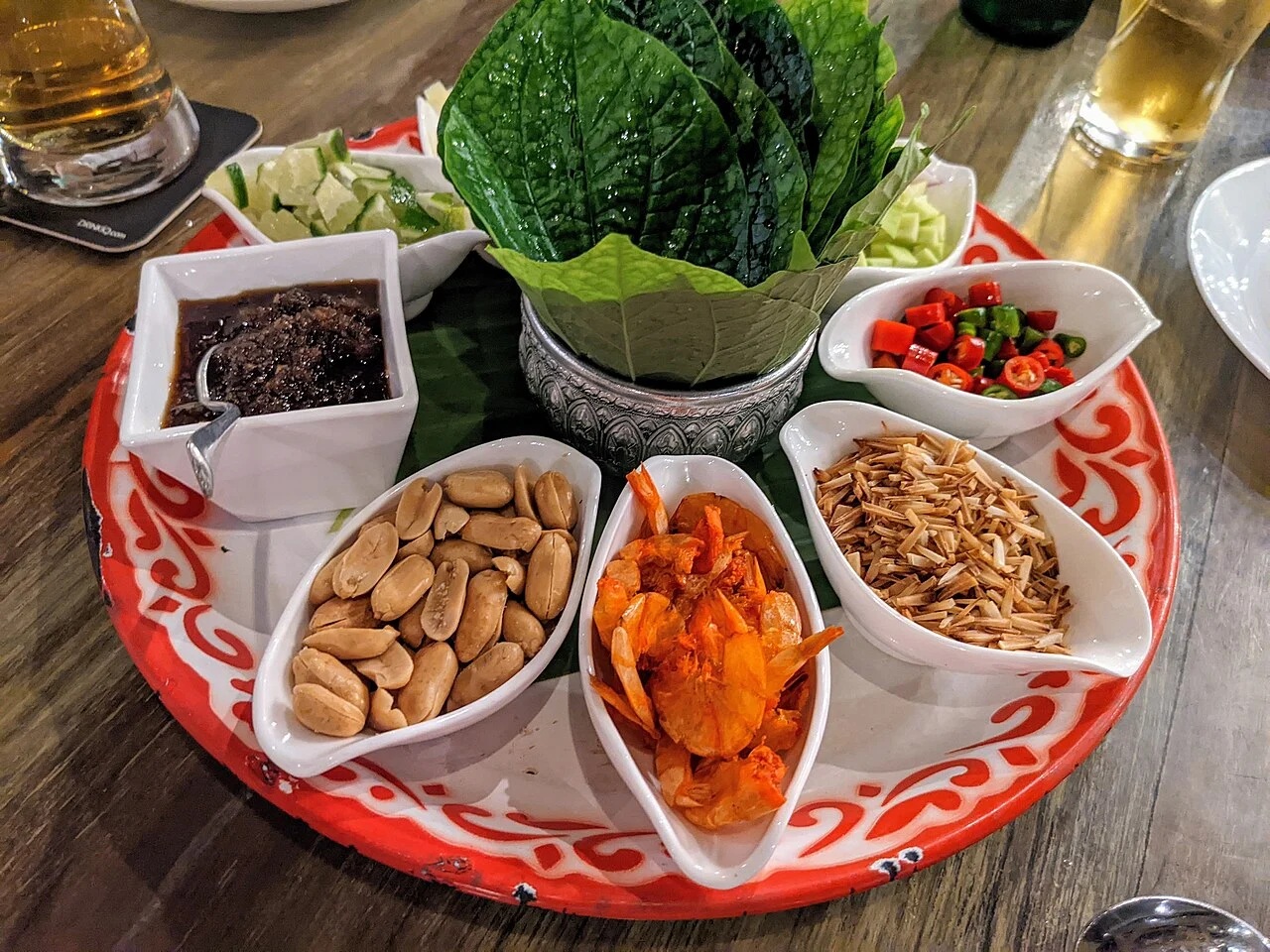
A wild betel leaf folds around small pieces of ginger, lime, shallot, toasted coconut, peanuts and often dried shrimp, finished with a sweet-savory sauce. The point is the combination: a small mouthful can be crisp, aromatic, tart and nutty all at once. A platter that arrives in separate little piles is your invitation to build it yourself. Start with a modest wrap so the ingredients stay together.
Order it like this: Ask for miang kham as a starter to share. Put a little of each filling on a leaf, add sauce, fold and eat in one bite. Go easy on fresh chili until you know the heat.
Good to know: Common allergens include peanuts, shrimp and fish sauce. The traditional wrapper is bai chaplu, or wild betel leaf; restaurant substitutions can change the flavor and texture.
Khao yam: your salad has rice and actual plans
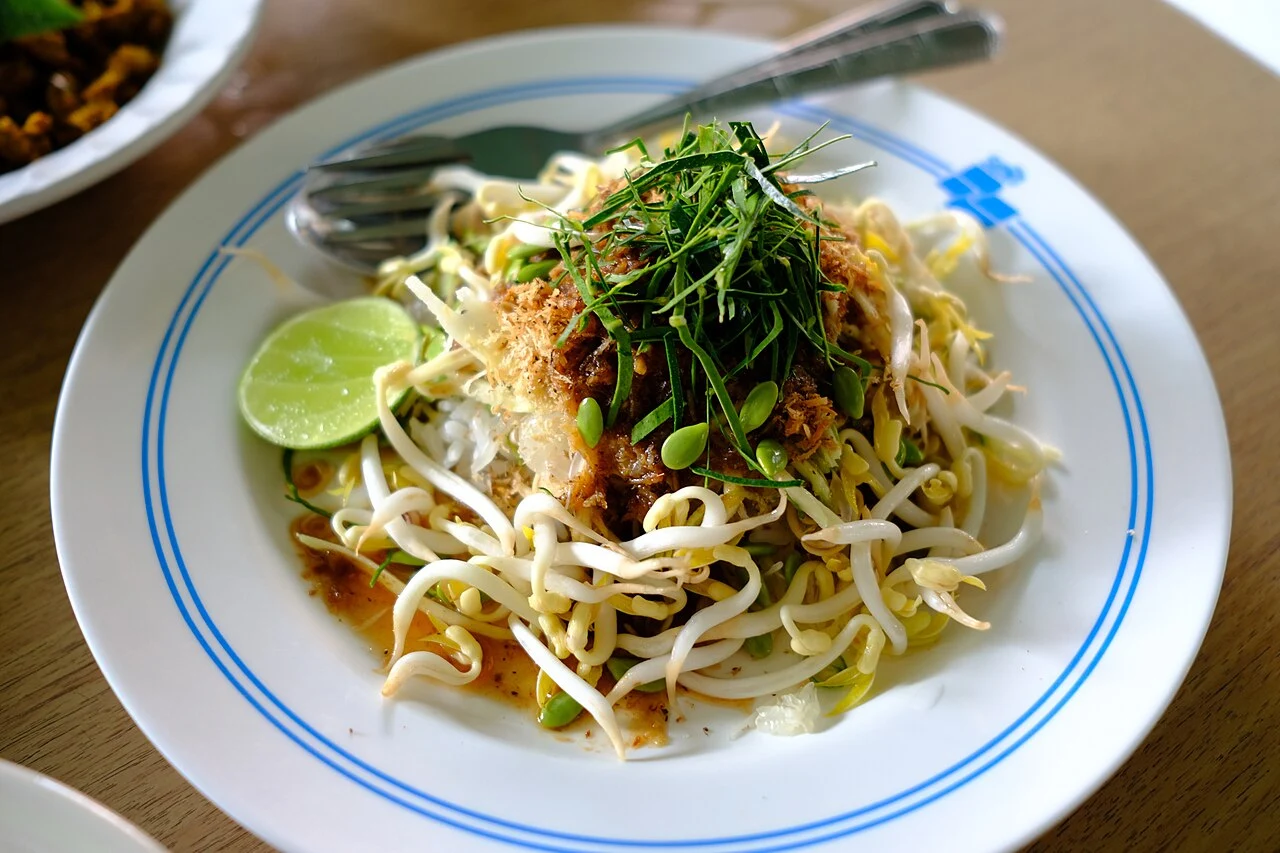
This southern Thai rice salad brings finely cut herbs and vegetables together with contrasting textures such as toasted coconut and dried seafood. Some versions add pomelo or sour mango; ingredients vary by place and cook. A dressing based on fermented fish sauce called budu is important in many far-southern preparations, though other regional dressings exist. The finished plate should taste fresh, aromatic, salty and tart, with plenty happening between the grains.
Order it like this: Look for khao yam at a southern Thai specialist. If it arrives unmixed, toss the rice, toppings and dressing thoroughly so you get a little of everything in each spoonful. Ask what the kitchen puts in its dressing.
Good to know: A colorful plate of vegetables is not automatically vegan: fish-based dressing and dried shrimp are common. Ask about both toppings and sauce. Rice color alone says little about the recipe.
Khua kling: small spoonful, large personality
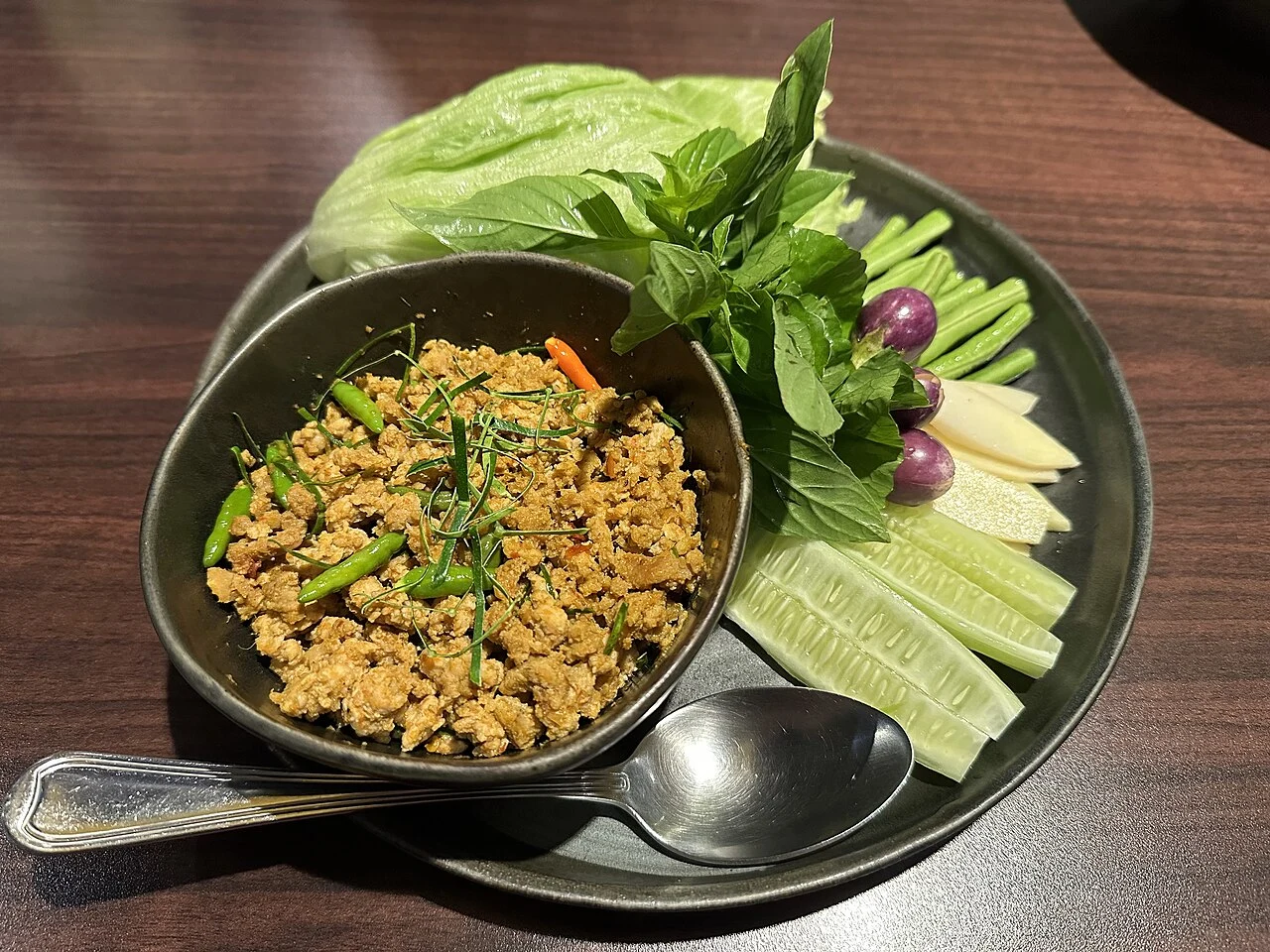
Southern Thai khua kling, also written kua gling, coats ground meat in a concentrated curry paste rather than surrounding it with a pool of sauce. Turmeric, lemongrass, chili and lime-leaf aromas give it a vivid character. Pork is common, but the meat can vary. This is the order for someone who wants a dry, intensely seasoned stir-fry and is happy to let rice do some of the balancing.
Order it like this: Try it at a southern Thai restaurant with jasmine rice and the fresh vegetables offered alongside. Ask about the kitchen’s heat level before ordering: this dish can be seriously spicy even when the portion looks small.
Good to know: A tofu version needs more than a protein swap to be vegan. Shrimp paste, fish sauce and stock can also need substitutions. Confirm the whole preparation rather than relying on the menu photo.
Explore the dish and its background →
Want a wider starting point before choosing a regional specialty? Explore our Thai food guide, then come back for your next order.
A few good questions
What Thai food should I try instead of pad thai?
Try khao soi for curry noodle soup, nam prik noom for a smoky green chili dip, gaeng hung lay for slow-braised pork, miang kham for leaf wraps, khao yam for an herb-filled rice salad, or khua kling for an intensely seasoned dry stir-fry.
Are these Thai dishes all very spicy?
No single heat level applies to every kitchen. Khua kling can be particularly hot; nam prik noom depends on its peppers. Khao soi and gaeng hung lay also vary. Ask how the restaurant prepares the dish and whether chili condiments can come separately.
Which of these Thai dishes can be vegetarian?
Nam prik noom may be vegetarian when made without fish sauce, and some kitchens adapt the other dishes. Check curry paste, broth, dried shrimp, fish sauce and accompaniments even when the main protein is tofu or vegetables.
How do I find these dishes near me?
Search the dish name together with your city, then read the restaurant’s actual menu. Northern Thai kitchens are useful starting points for khao soi, nam prik noom and gaeng hung lay; southern Thai specialists are worth checking for khao yam and khua kling. Call if a menu is unclear or dated.